Chinese tutors: what they cost, what to look for, and where to book
A Chinese tutor costs $15–30 an hour online; italki's median is $20. What to look for, how trials and refunds work on italki and Preply, and where AI fits.

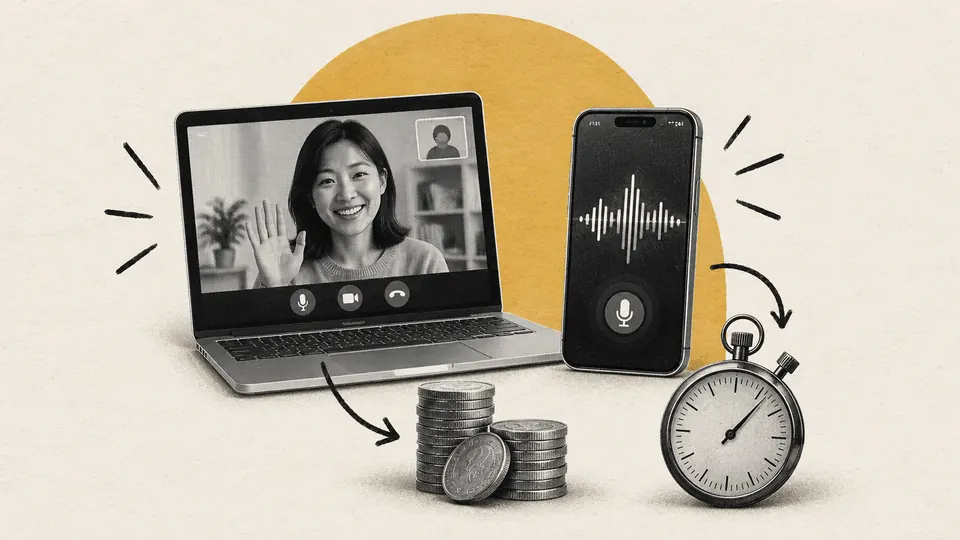
Tutor sites lead with the price of an hour. The rules matter just as much: what happens to a lesson you skip, a trial that flops, or money you want back.
This guide is for you if you're looking for a Chinese tutor, online or near you, and want the real prices and rules before you pay.
We read the prices of every Chinese teacher italki's public directory would show us, the rules in both companies' help centres, and the pages of six other tutor sites and schools. We checked it all on 11 October 2026, without signing up or booking anything.
Key takeaways
- italki costs less for Chinese. Its median teacher charges $20 an hour, and the first tutors Preply showed us cost far more.
- Preply is a subscription; italki isn't. Preply bills you every four weeks for a set number of lessons, and lessons you don't book expire.
- Trials work differently. italki discounts your first three trials, while Preply charges for a trial but replaces a bad one free.
- Getting cash back is hard on both. italki refunds only into your italki wallet, and Preply refunds a cycle only if you haven't used any of it.
- AI is moving into the gaps between lessons. italki's AI lesson summaries work for Chinese; Preply's, so far, only for English.
- The best value is a mix. A weekly tutor plus daily AI practice costs about half as much as twice-weekly lessons, for nearly the same speaking time.
What to look for in a Chinese tutor
A good Chinese tutor makes you talk, hears your tones and plans lessons around your goal. Use a trial lesson to check five things:
- You do much of the talking. In one-to-one lessons students speak a little under half the time, as the next sections show. If the tutor talks for most of the trial, try someone else.
- They correct your tones, then have you say it again. In a study of online Mandarin beginners, teachers who repeated the learner's word back correctly improved their tones. Ask to be corrected every time.
- They plan for your goal. Conversation, the HSK, work or family: ask what your first five lessons would cover.
- They teach the Chinese you need. Mainland or Taiwan Mandarin, Simplified or Traditional characters, pinyin or zhuyin.
- The rules suit you. What a trial costs, how late you can cancel, and whether unused lessons expire.
Would you rather meet in person? Wyzant lists US tutors who teach face to face as well as online, at $35–59 an hour on average. Classes at community colleges, universities and language schools are in our guide to Chinese classes for adults.
italki or Preply for Chinese?
Choose italki if you want to pay as you go and try several teachers cheaply. Choose Preply if you'll book the same tutor every week and like having the plan run itself.
We put their rules side by side. Here's how the two biggest marketplaces compare for Chinese:
A typical hour
- italki
- $20, the median of 783 Chinese teachers we read
- Preply
- $23 for native speakers, Preply's own average
How you pay
- italki
- Per lesson, or a package of 5, 10 or 20 lessons
- Preply
- A subscription to one tutor, charged every 28 days
Trial lessons
- italki
- Up to 3, discounted, each with a different teacher
- Preply
- One paid trial per tutor, 25 or 50 minutes
If a trial disappoints
- italki
- Credits back for up to 2 trials
- Preply
- Up to 2 free replacement trials
Cancelling a lesson
- italki
- Free until 24 hours before
- Preply
- Free until 12 hours before
Lessons you don't book
- italki
- Credits wait in your wallet; packages last 6 months
- Preply
- They expire when the next 28 days start
Getting money back
- italki
- Into your italki wallet, never as cash
- Preply
- To your card, only if you used none of that cycle
AI between lessons
- italki
- Lesson summaries for Chinese; more with italki Plus
- Preply
- Lesson summaries for English lessons only
Teacher checks
- italki
- Professional teachers show their credentials
- Preply
- A Professional Tutor badge for checked qualifications
Sources: italki's and Preply's public pages and help centres, read 11 October 2026 and linked in each company's section below.
If you're not sure you'll keep a weekly slot, start on italki. If you will, Preply's subscription turns the slot into a habit.
For the two companies' rules in full and what a month costs on each, see italki vs Preply for Chinese.
Most Chinese tutors charge $15–30 an hour
Most one-to-one Chinese tutors on the big marketplaces charge between $15 and $30 an hour. Schools that teach online charge more, because you buy a course as well as a teacher.
Here's the typical range on each site, from its own pages or from our read of them:
Most Chinese tutors cost $15–30 an hour; schools and Wyzant cost more
Typical price of one hour one-to-one, US dollars, checked 11 October 2026
| Site | Typical US$ an hour | What the range is |
|---|---|---|
| italki | 15–28 | The middle half of the 783 teachers we read |
| AmazingTalker | 10–30 | What it says most of its Mandarin tutors charge |
| Preply | 13–29 | Its averages by the tutor's country |
| Verbling | 24–50 | The first ten teachers its search showed us |
| Schools | 23–46 | Private lessons at LTL, That's Mandarin and GoEast |
| Wyzant | 35–59 | Its own average range for Chinese tutors |
Sources: each company's public pages, read 11 October 2026; AmazingTalker through a text fetch. Rounded to the dollar. GoEast's 50-minute class hours and That's Mandarin's 45-minute classes are converted to an hour.
italki is the one marketplace whose prices we could read almost whole. Here's how its Chinese teachers' prices spread:
Source: our read of all 40 pages of italki's public Chinese teacher directory on 11 October 2026: 392 community tutors and 391 professional teachers, each at their cheapest listed 60-minute price, before fees and package discounts.
A cheap tutor is easy to find: a quarter of italki's Chinese teachers charge $15 an hour or less. And a professional teacher costs only a few dollars more than a community tutor, not double.
You speak for less than half of each lesson
The hourly price hides how little of the hour is yours. In a one-to-one lesson you probably speak a little under half the time, and in a group class it's a few minutes each.
Only a few studies have measured it. The best figure for one-to-one comes from a large study of online maths tutoring, where students did 44% of the talking. In a model lesson for eight beginners of Chinese, all the students together spoke for 41% of the class. Here's what that leaves you:
Sources: Demszky and colleagues, 2024, for one-to-one; groups split the 41% that eight students shared in Guo, Yang and Guo's model class, 2025. In four online Chinese classes in Indonesia, teachers took 62–67% of the talk.
So divide the price by the minutes you'd actually talk. The median italki tutor then costs about 76¢ per minute you speak. Here's every option at its typical price:
Source: our calculation from the prices in this guide: the price of a lesson divided by its minutes times your share of the talking. The two AI rows assume you talk as much as in a one-to-one lesson; nobody has measured it.
Your own numbers will differ. Pick who you'd book and how often:
Cost per minute you speak
Pick who you'd book, how often, and how much you talk. We divide the price by the minutes you'd actually speak, then price the same speaking time with AI.
Lessons a week
How much you talk
$0.76 per minute you speak
Two lessons a week of 60 minutes cost about $173 a month, for about 229 minutes of your own speaking: 44% of each lesson.
The same speaking time with AI, per minute you speak:
SayMei would cost as much per minute you speak only if you talked for less than 4% of each lesson. The AI rows assume you talk 44% of the time there too.
One-to-one lessons start at 44%, students' share of the talking across 742 online maths tutors, the best available measure. Groups split the 41% that all students shared in a model Chinese class. "Less" and "More" use 25% and 60% one-to-one, and scale groups the same way. Prices checked 11 October 2026; RMB at the European Central Bank rate. See also SayMei pricing.
The AI gap survives a much less generous assumption. If you spoke for only a quarter of a SayMei lesson, a minute of your speaking would still cost about 12¢. SayMei would match the median italki tutor only if you spoke less than 4% of the time.
We can't yet measure talk time in SayMei's lessons, so we count turns instead. In our free first lessons, learners took a median of about 26 speaking turns per 10 minutes, as our guide to how to speak Chinese explains. A turn can be one word, so turns don't convert into minutes.
Talk time also responds to attention: when a meter showed tutors and students their talk time, students' share rose by 13–14%. Ask your tutor for lessons built around your answers.
italki: pay per lesson, with three cheap trials
italki is a marketplace: each teacher sets their own price, and you pay lesson by lesson. Its homepage promises exactly that, "No subscriptions" for lessons.
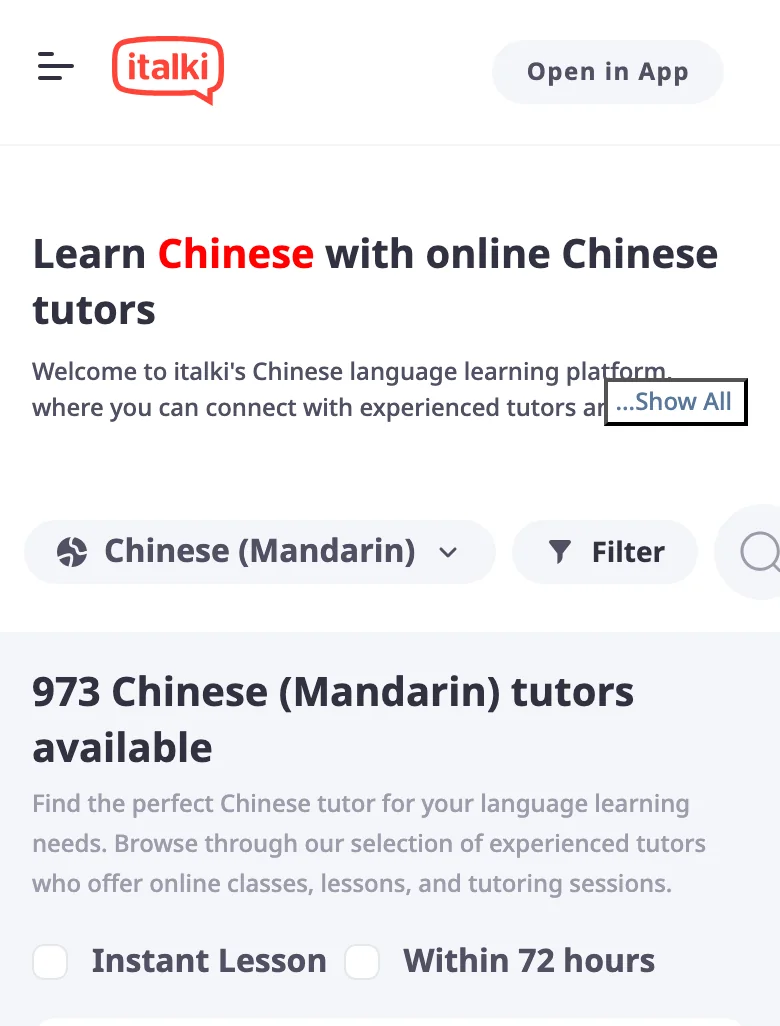
Finding a teacher. The public directory lists 973 Chinese teachers, and anyone can browse it without an account. Its quick filters find teachers free right now or within 72 hours:
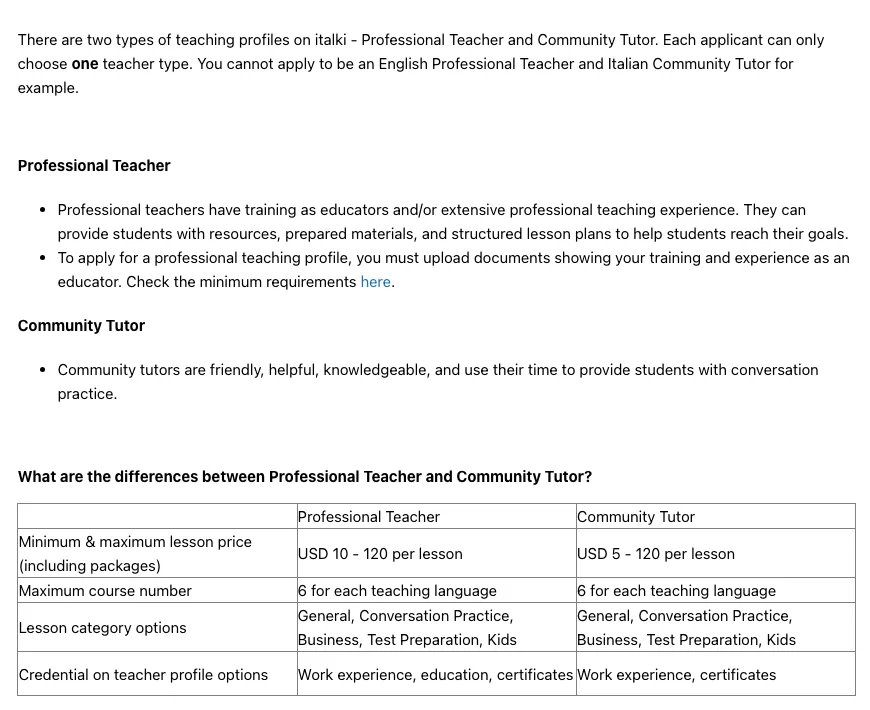
Two kinds of teacher. Professional teachers have shown italki proof of training, such as the CTCSOL certificate for teaching Chinese or a teaching degree. An HSK certificate doesn't count. Community tutors, in italki's words, provide "conversation practice" and needn't show credentials. Each type prices its lessons within italki's limits:
For grammar or HSK preparation, a professional teacher is the safer choice. For conversation practice, a community tutor usually does the job for less.
Trials. You get three discounted trial lessons, each with a different teacher. Of the Chinese teachers we read, 96% offer one, at a median of $9.90:
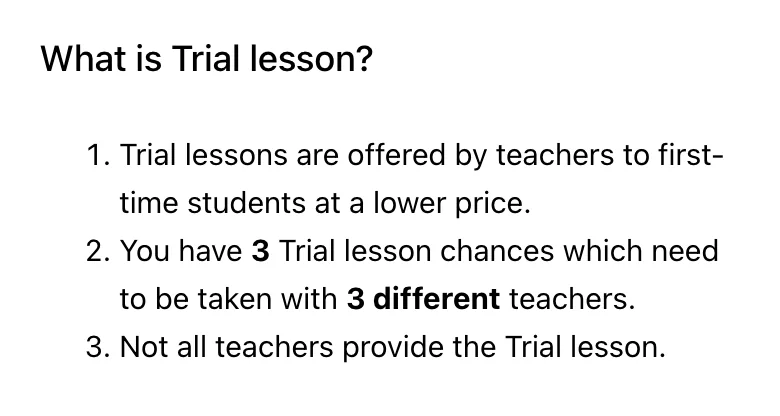
If a trial goes badly, italki's satisfaction guarantee returns the credits for up to two of them. You have to ask within 48 hours, before the lesson is marked complete.
Paying. You buy italki Credits in US dollars, plus a processing fee that the payment provider charges and the checkout shows. Then you book single lessons, or a package of lessons with one teacher, usually at a discount. A package lasts six months, and you can ask once to extend it by a month.
Cancelling and refunds. Cancel or reschedule at least 24 hours ahead and the credits return to your wallet. Inside that window, the teacher is paid in full. If a lesson goes wrong, you have 72 hours to report it. Refunds stay as credits: italki gives no cash back, and credits expire after a year without a login.
Quitting a package. If you stop a package early, italki charges the lessons you took at the teacher's single-lesson price and returns the rest. If the teacher is the one who can't continue, you pay the cheaper package rate instead.
italki Plus. It's an optional subscription for AI study tools around your lessons: summaries with error corrections, flashcards and an AI role-play built on your last lesson. It costs $5.99 a month, or $4.99 a month paid yearly:
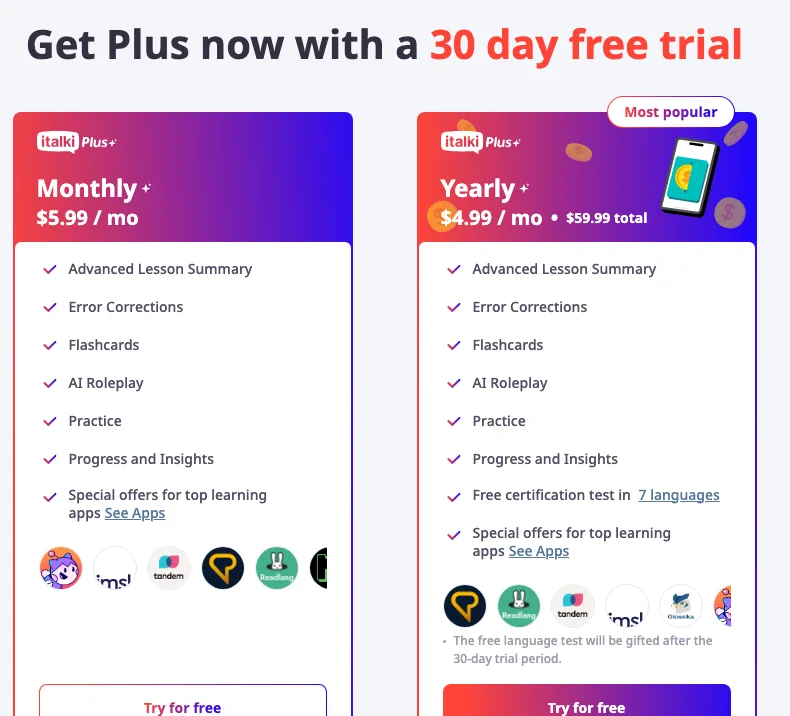
The 30-day free trial turns into a paid plan unless you cancel, and italki doesn't refund a period you've already paid for. You may not need it: the basic lesson summary already works for Chinese lessons taken in italki's classroom.
Pick italki if you want to try several teachers cheaply or pay only when you have time. Skip it if you want every teacher vetted: community tutors don't have to show credentials.
Preply: one tutor, billed every 28 days
Preply sells lessons only by subscription. You pick one tutor, and Preply charges you every 28 days for a set number of lessons with them.
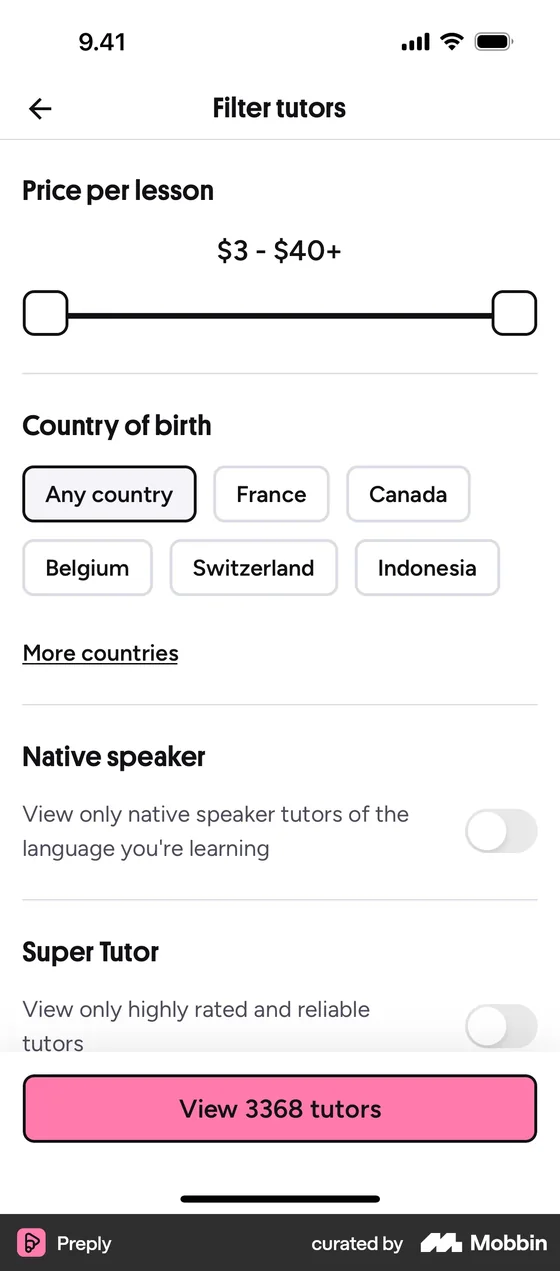
The app screens below come from Preply's iPhone app in late 2024, in its French course, as collected by Mobbin. We've left out every screen that shows a tutor. The steps are the same for Chinese.
Finding a tutor. Preply lists 8,956 Chinese tutors. Its filters narrow them by price per lesson, country of birth, native speakers and its Super Tutor badge:
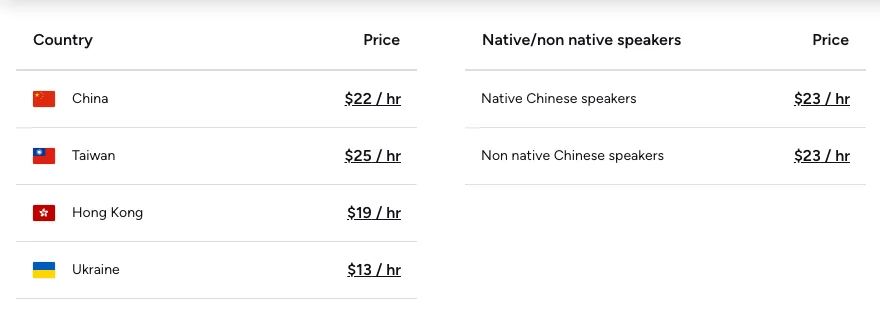
Prices. Preply's Chinese page gives average rates by the tutor's country, from $13 to $29 an hour:
The tutors it shows you first cost more. The first ten in its "Our top picks" order charged $29–47 a lesson. When we asked for a second page, Preply refused the request, so we stopped there.
The trial. Each tutor offers one paid trial, of 25 or 50 minutes, and you pick a time from their calendar:
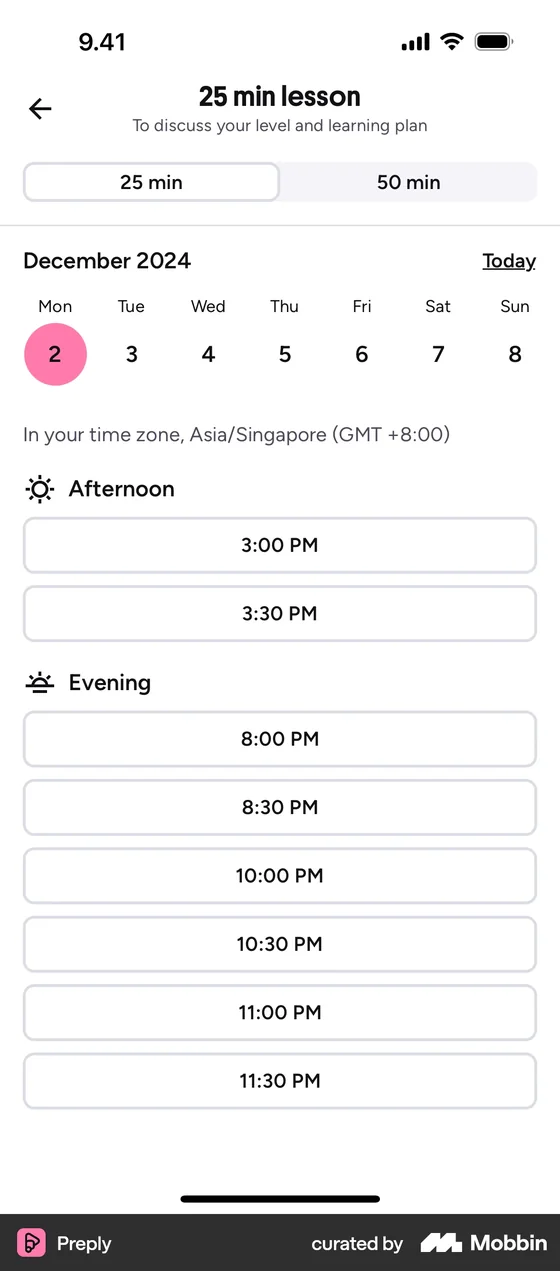
At checkout, Preply adds a processing fee and any local tax, and shows the total before you pay. You can cancel or reschedule free until 12 hours before:
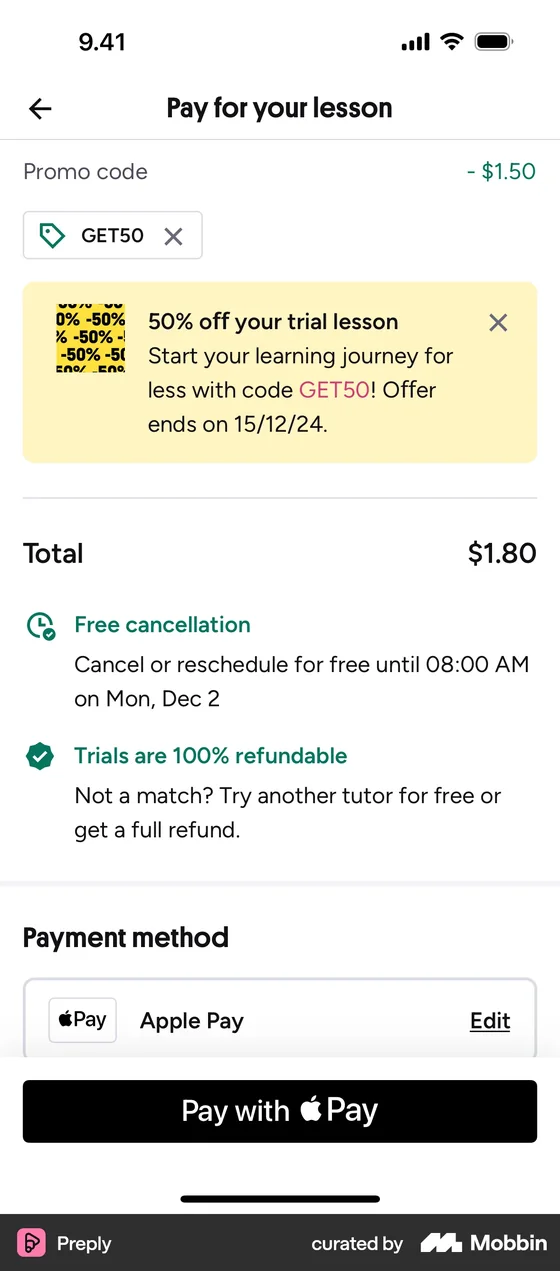
That checkout from 2024 promised a full refund if a trial wasn't a match. Today's help centre offers free replacement trials instead: up to two per account, each with a different tutor.
The subscription. After the trial you choose how many lessons a week. The plan's price is the tutor's rate times the lessons:
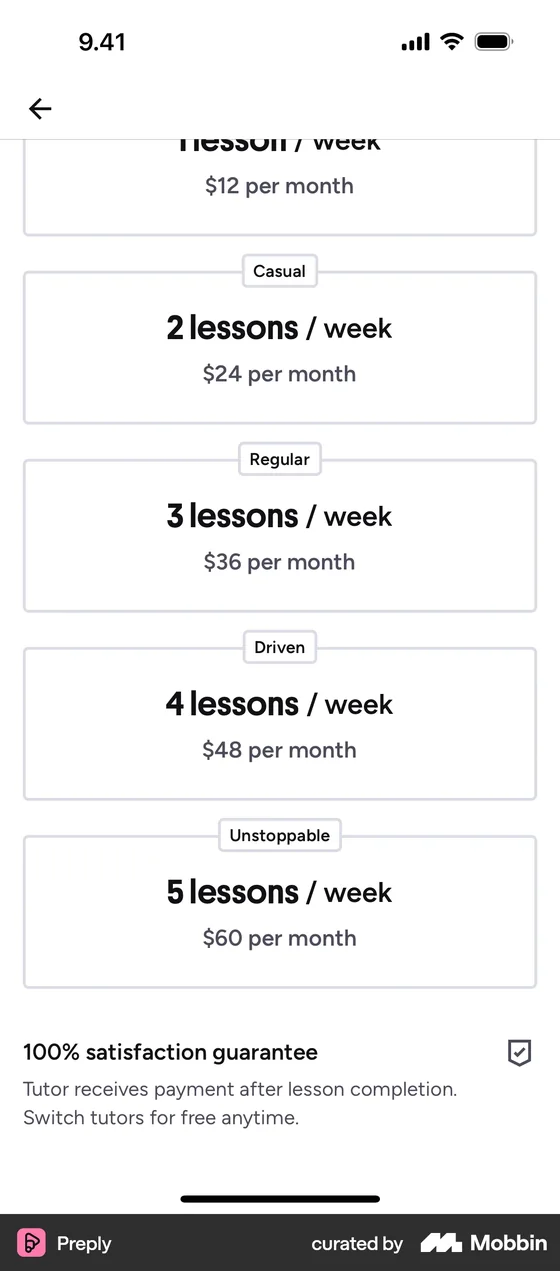
The fine print is where Preply differs most from italki:
- No single lessons. The minimum plan is four lessons per cycle, and Preply won't sell one lesson, even through support.
- Book them or lose them. Lessons you haven't booked by the renewal date expire.
- Pausing and switching. You can pause once per cycle, for up to 20 days, or move your lessons to another tutor at their rate.
- Cancelling. Cancel the plan at least a day before billing, with no fee. Cancel a lesson at least 12 hours ahead, or your tutor is paid.
- Refunds. Possible only if you've used none of that cycle's lessons and ask within 28 days.
Cycles of 28 days also mean thirteen charges a year, not twelve. And Preply's AI lesson summaries, called Lesson Insights, cover English lessons only for now.
Pick Preply if you'll take lessons every week with the same tutor. Skip it if your schedule is unpredictable: unbooked lessons expire.
Smaller sites: AmazingTalker, Verbling and Wyzant
We also checked three smaller marketplaces. Each is worth knowing for a different reason:
- AmazingTalker says most of its Mandarin tutors charge $10–30 an hour, with no contract. Its user agreement, last updated nearly five years ago, returns refunds as site credit. Its site showed our browser a human-verification page, so we read its prices as text and have no screenshot.
- Verbling has a small pool of Mandarin teachers, averaging $35.98 an hour, and the only free trial lesson among these marketplaces, half an hour long. Cancel inside twelve hours and you get half back, in Verbling credits. Lessons need Chrome or Firefox.
- Wyzant suits lessons in person in the US as well as online. Its Chinese tutors average $35–59 an hour, and your first hour with a new tutor is free if it isn't a good fit.
Two big names don't teach Chinese: Cambly's tutors teach English, and Lingoda's classes cover five other languages, from German to Italian.
Schools sell a course, not just a teacher
Schools charge more per hour than marketplaces, but they sell a curriculum, materials, level tests and teachers they hire and train. All three schools we checked offer a free first class.
GoEast, a school in Shanghai, prices private online lessons by the 50-minute class hour, cheaper in bigger packages, plus a one-off $99 materials fee:
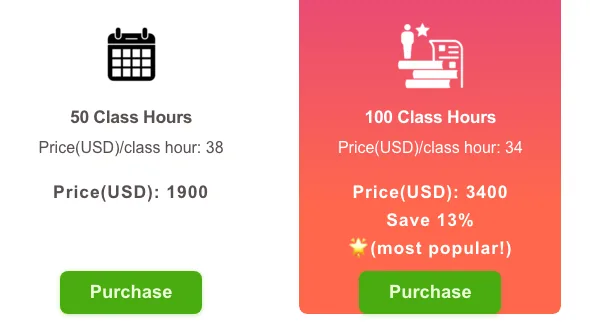
Its 16-week online group course costs $1,248 plus materials, with two students in a class on average.
LTL sells private online lessons in packages, from $697 for 25 hours.
Its Flexi Classes run hour-long group classes around the clock, for up to five students, at $10.50–14 a class:
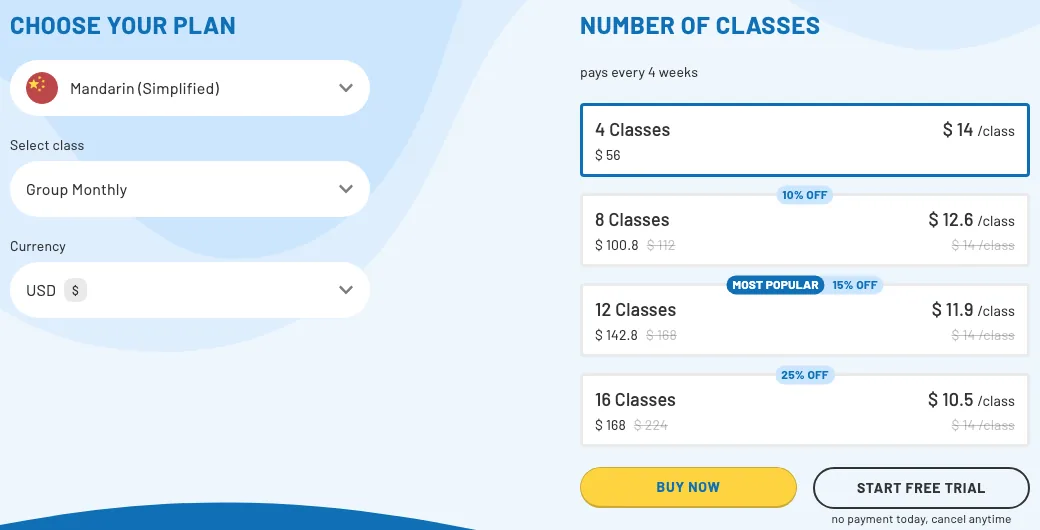
Flexi's free trial week turns into a paid plan unless you cancel.
That's Mandarin charges from RMB 199 for a 45-minute private class, and less for a small group of friends.
The cheapest hour here is the most expensive minute of your own speaking. In a full Flexi class of five, a minute of your speaking costs about $2.85. Choose a school for structure and homework, not for speaking time. Our guide to online Chinese courses compares schools with self-paced courses.
A human tutor still has the better ear
A good teacher hears what you can't. In the research we read, the strongest evidence for correction comes from human teachers:
- Correction works. Correcting learners' errors had a medium, lasting effect across 33 studies. In a one-to-one online Mandarin course for beginners, teachers who repeated the learner's word back correctly improved tone production more than explicit correction did.
- Machines mishear. OpenAI says ChatGPT voice transcripts "are not verbatim records". In a test by Hacking Chinese, ChatGPT scored the same native speaker anywhere from 6.5 to 8.5 out of ten.
- People keep you going. A teacher expecting you on a Tuesday evening is hard for an app to copy, and so is a tutor who can explain why a phrase sounds odd.
We found no published accuracy test of any AI Chinese tutor's tone feedback, SayMei's included. That's the gap a tutor fills.
Where SayMei fits, and where it doesn't
SayMei is an AI speaking tutor for HSK 1 to 6: you talk with Mei Lin out loud, and she answers and corrects your tones and grammar as you go. It wins on price per minute you speak, and loses on several things a human tutor does better.
Premium is $5.99 a month for 200 minutes with Mei Lin, about thirty short lessons, after a free week. In most countries your first lesson is free too:
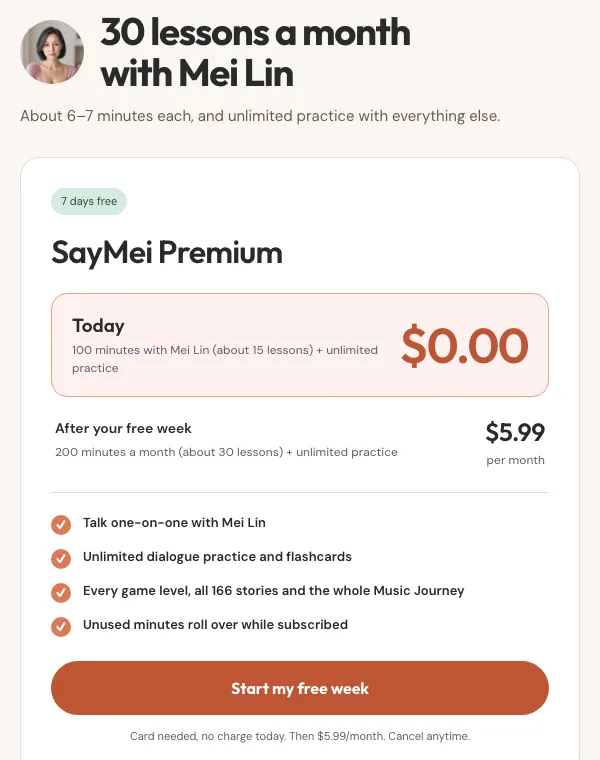
Here's where it fits:
- The cheapest planned speaking practice here. About 7¢ per minute you speak, on the same assumptions as the tutors above.
- Nothing to book. You start when you have ten minutes, at any hour.
- Lower stakes. Anxiety and achievement go together in language learning, with a moderate negative link across many studies. In one small study, anxiety tracked speaking scores when a person ran the exam, but not when an AI chatbot did.
And here's where it loses:
- No trained human ear. Its tone feedback has no published accuracy test, like every AI tutor's.
- No one waiting for you. A reminder isn't the same as a teacher expecting you on Tuesday.
- Capped minutes. ChatGPT Go costs $8 a month with up to three hours of voice a day, and Gemini Live needs no paid plan. Neither plans lessons, but both cost less for open conversation.
- Browser only. There's no phone app.
For app-by-app detail on AI tutors, see our guide to the best AI apps to learn Chinese.
Match the tutor to your level
What you need from a tutor changes as you progress. Our advice: early on, pay for correction; in the middle, buy speaking time; before an exam, buy expertise.
Here's the mix we'd suggest at each stage:
New to Chinese
- Who to book
- A professional teacher, for pinyin and tones
- How often
- Once or twice a week
- Between lessons
- Short daily speaking practice
HSK 1–2
- Who to book
- A professional teacher or a community tutor
- How often
- Once a week
- Between lessons
- Daily speaking practice and listening
HSK 3–4
- Who to book
- A community tutor, for conversation
- How often
- Once or twice a week
- Between lessons
- Graded reading and daily speaking
HSK 5–6 or an exam
- Who to book
- A professional teacher who lists test preparation
- How often
- Weekly, more before the test
- Between lessons
- Timed answers for the speaking test
Source: our suggestion, based on the evidence in this guide and on italki's and Preply's lesson categories.
Beginners gain most from a trained ear. In the study of online beginners above, a teacher who repeated each word back correctly improved learners' tones, and our guide to learning tones shows how to practise between lessons. In the middle levels, speaking time matters most, which is where cheaper tutors and AI practice pay off.
Exam candidates have a new reason to book a teacher. HSK 3.0, which starts on 13 December 2026, makes speaking compulsory from HSK 3. Our guides to the HSK exam and the HSKK speaking test explain the format.
A budget that mixes both
If budget matters, the best value is usually a tutor less often, plus daily practice between lessons. Here's what three mixes cost:
| Plan | Cost a month | Your speaking a month |
|---|---|---|
| Two italki hours a week, median tutor | $173 | about 229 min |
| One italki hour a week + SayMei Premium | $93 | about 202 min |
| SayMei Premium + one professional-teacher hour a month | $28 | about 114 min |
Source: our calculation at italki's medians, $20, or $22 for a professional teacher. A month is 52/12 weeks; SayMei at 200 minutes and the 44% share.
The middle plan comes close to the speaking time of twice-weekly lessons for about half the price, with a human ear on your tones every week. Between lessons, our free Tone Checker draws your pitch against the target.
What to do next
- Try before you commit. Book two or three cheap trials before you subscribe anywhere.
- Book weekly only if you'll keep the slot. Otherwise, pay per lesson so nothing expires.
- Ask how much you'll speak. Choose a tutor who builds lessons around your answers.
- Use your tutor for diagnosis. Bring the sentences you practise and ask what to fix.
- Practise daily between lessons. An AI tutor adds speaking time cheaply.
When you're ready to talk, try a lesson with Mei Lin.
FAQ
Is a Chinese tutor worth it?
Yes, if you'll book regularly and want your speaking corrected. A trained teacher hears tone and grammar habits you can't hear yourself, and correction had a medium, lasting effect across 33 studies. On a budget, a weekly tutor plus daily AI practice costs about half as much as two lessons a week, for nearly the same speaking time.
How much does an online Chinese tutor cost per hour?
About $20 an hour on the big marketplaces: that was the median among the italki Chinese teachers we read in October, and two in three charged $15–30. Preply's own average for native speakers is a little higher, and the tutors it shows first cost more. Schools that teach online, and US tutors on Wyzant, charge more again.
Can you get a refund on italki or Preply?
Rarely as cash. italki refunds cancelled or disputed lessons into your italki wallet, and says plainly that there are no cash refunds. Preply may refund a subscription charge to your card if you cancel without using any of that cycle's lessons and ask within 28 days. Both return a lesson you cancel early enough: a day ahead on italki, half a day on Preply.
Do italki and Preply offer free trial lessons?
Not free, but cheap or replaceable. italki gives three discounted trials with different teachers, at a median of $9.90 among Chinese teachers, and refunds the credits for up to two that disappoint. Preply's trials are paid, but each account gets up to two free replacements. Verbling, GoEast, LTL and That's Mandarin offer a free first lesson.
Are italki community tutors good enough for learning Chinese?
For conversation practice, often yes: that's what italki says community tutors provide. Their median price is $18 an hour, against $22 for professional teachers. Professional teachers must show training, such as the CTCSOL certificate for teaching Chinese; community tutors don't. For grammar explanations or HSK preparation, a professional teacher is the safer choice.
Is there a cheaper alternative to italki or Preply for speaking practice?
An AI tutor or a voice assistant. SayMei's plan works out at about 3¢ a lesson minute, with lessons planned by level. Gemini Live needs no paid plan, and ChatGPT Go is $8 a month for up to three hours of voice a day, but neither plans lessons. A language exchange is the free human option.
Can an AI tutor replace a human Chinese tutor?
Not fully. AI gives you far more speaking time: about 7¢ per minute you speak with SayMei, against 76¢ with a median italki tutor, at the same share of talking. But no AI Chinese tutor has published an accuracy test of its tone feedback, and the evidence for correction comes from human teachers. Using both covers each one's gaps.
Are group Chinese classes cheaper than a private tutor?
Per hour, yes; per minute you speak, usually not. LTL's Flexi group classes cost as little as $10.50 an hour, but with five students each person speaks for about 8% of the time. A minute of your own speaking then costs nearly four times what it does with a median italki tutor. Classes buy you structure and company, not speaking time.
Sources
Checked 11 October 2026 unless noted. No accounts were created and nothing was booked or bought.
italki
- Chinese teacher directory, all 40 public pages, and italki Plus
- Help centre: teacher types, professional teacher requirements, trial lessons, satisfaction guarantee, cancelling, lesson problems, packages, extending and ending a package, credits, processing fee, commission, Plus cancellation, Smart Lesson summaries
Preply
- Online Chinese tutors: tutor count, average rates and the first page of tutors
- Help centre: subscriptions, charges, trial lessons, trial replacements, lesson cancellation, cancelling a plan, pausing, moving lessons, refunds, commission, Lesson Insights
- App screens: Mobbin's captures of Preply's iPhone app, late 2024: search filters, trial booking, weekly plans
Other tutor sites and schools
- AmazingTalker prices (text fetch) and user agreement (read 7 October 2026)
- Verbling Mandarin; Wyzant Chinese tutors; Cambly; Lingoda
- GoEast private lessons and group course; LTL online; Flexi Classes; That's Mandarin online
- European Central Bank reference rates, 9 October 2026, the latest on 11 October: 6.69 yuan to the dollar
AI tutors
Research
- Demszky, D., Wang, R., Geraghty, S. & Yu, C. (2024). Does feedback on talk time increase student engagement? LAK '24; EdWorkingPaper 23-891.
- Guo, X., Yang, W. & Guo, Y. (2025). Analyzing teacher–student verbal interaction in elementary Chinese comprehensive class. Behavioral Sciences 15(4), 429.
- Fatmawati, F., Pebriani, W. & Marsuki, R. R. (2024). Teacher talk and student talk: classroom interaction in online CFL class. Longda Xiaokan 7(1).
- Li, S. (2010). The effectiveness of corrective feedback in SLA: a meta-analysis. Language Learning 60(2).
- Bryfonski, L. & Ma, X. Effects of implicit versus explicit corrective feedback on Mandarin tone acquisition. Studies in Second Language Acquisition: a 14-week online course with 41 beginners.
- Linge, O. (2026). No, ChatGPT can't analyse your Mandarin pronunciation. Hacking Chinese, September 2026.
- Teimouri, Y., Goetze, J. & Plonsky, L. (2019). Second language anxiety and achievement: a meta-analysis. SSLA 41(2).
- Susoy, Z. (2026). Reducing anxiety and enhancing performance: AI chatbots versus human facilitation on EFL speaking assessment outcomes. Frontiers in Psychology 16: 48 students.
- SayMei data: first-lesson speaking turns from 1,790 learners, 15 July to 7 October 2026, published in How to speak Chinese.
Methods
- italki prices. On 11 October 2026 we read every page italki's public Chinese directory serves, logged out: 40 pages of 20, or 783 of the 973 teachers it lists. Page 41 showed no new teachers. For each teacher we kept only their type, country and their cheapest 60-minute and trial prices, before fees and package discounts; no names. The median stayed at $19–20 on every block of ten pages, so the directory's order doesn't track price.
- Preply prices. Preply's own averages come from its Chinese tutors page. We also read the first page of its directory, ten tutors, logged out. Our second request, for a random later page eight seconds later, was refused, so we stopped and didn't try again.
- Other prices. Read from each company's public pages, in US dollars. AmazingTalker asked our browser for human verification, so we read its price page as plain text. RMB is converted at the European Central Bank rate.
- Screenshots. Preply's app screens come from Mobbin's library, captured in late 2024 in Preply's French course, and are shown unedited; we left out every screen that shows a tutor. All other screenshots are ours, of public pages, taken logged out on 11 October 2026 with non-essential cookies declined. None shows an individual teacher.
- Talk shares. From published studies of online maths tutoring and of Chinese classes, not of these companies' lessons. Group shares divide the 41% all students got in the model Chinese class by the number of students. For AI we use the one-to-one share, because nobody has measured it; the calculator lets you change it. GoEast's group price includes its $99 materials fee, spread over the course's 32 classes.
- Limits. Prices change, each company sets its own directory order, and list prices aren't what learners pay: popular tutors may cost more, packages less. If you spot a mistake, tell us: we fix errors.